A day as a Design System Designer
- ROLE
- Product Designer, Design System
- TIME
- 2021 to 2022
- TEAM
- 3 Product designers, 1 Accessibility specialist, 1 team lead, around 10 front-end developers, Back-end engineering team on consultancy
Overview
Design system work rarely comes as one big, end-to-end project. Most requests are small to medium in scope and delivered in quick iterations.
Rather than turning one request into a long case study, I wanted to show what the work actually looks like. This page follows a Promotion card component through my typical workflow, from the initial request to visual QA.
It also shows the two sides of my role: designing components and working with the people who use the system.
Working process
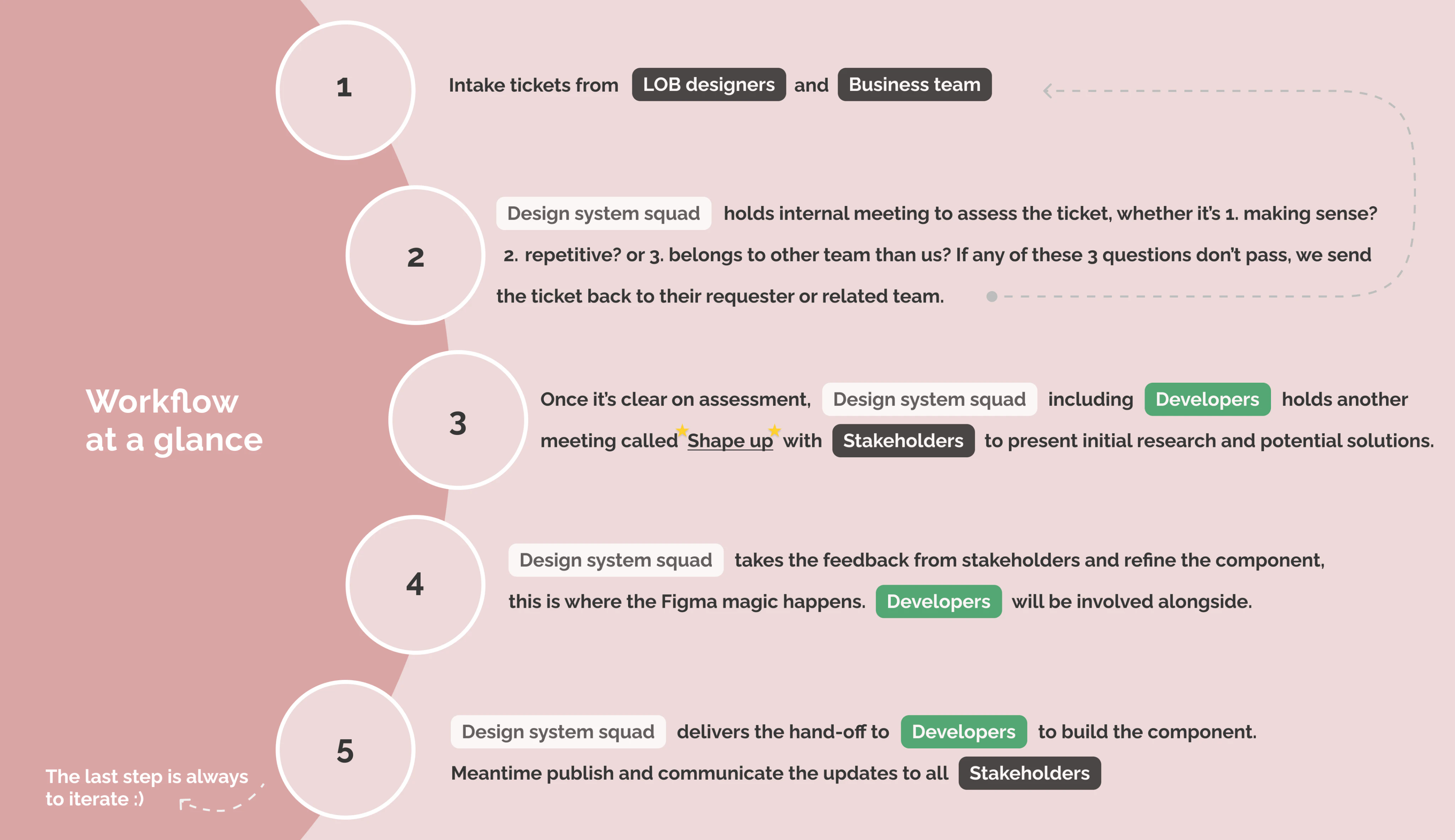
1.Intake and review
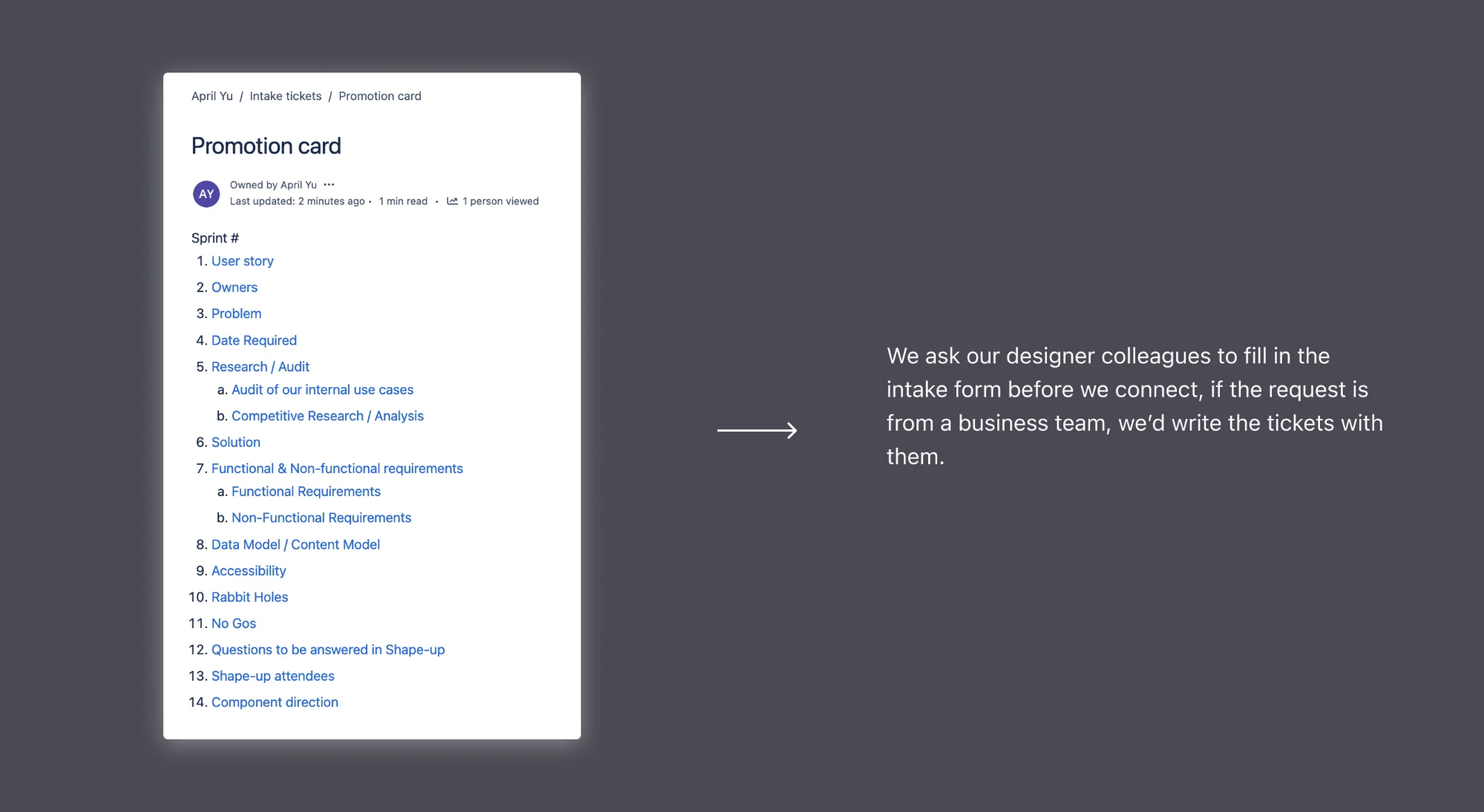
Every request starts with an intake form. It helps component owners clarify what they need and gives our team a better understanding of the request.
The Design System squad then reviews each ticket together. We ask three questions:
- Should this be a global component?
- Do we already have something similar?
- Is our team the right one to build it?
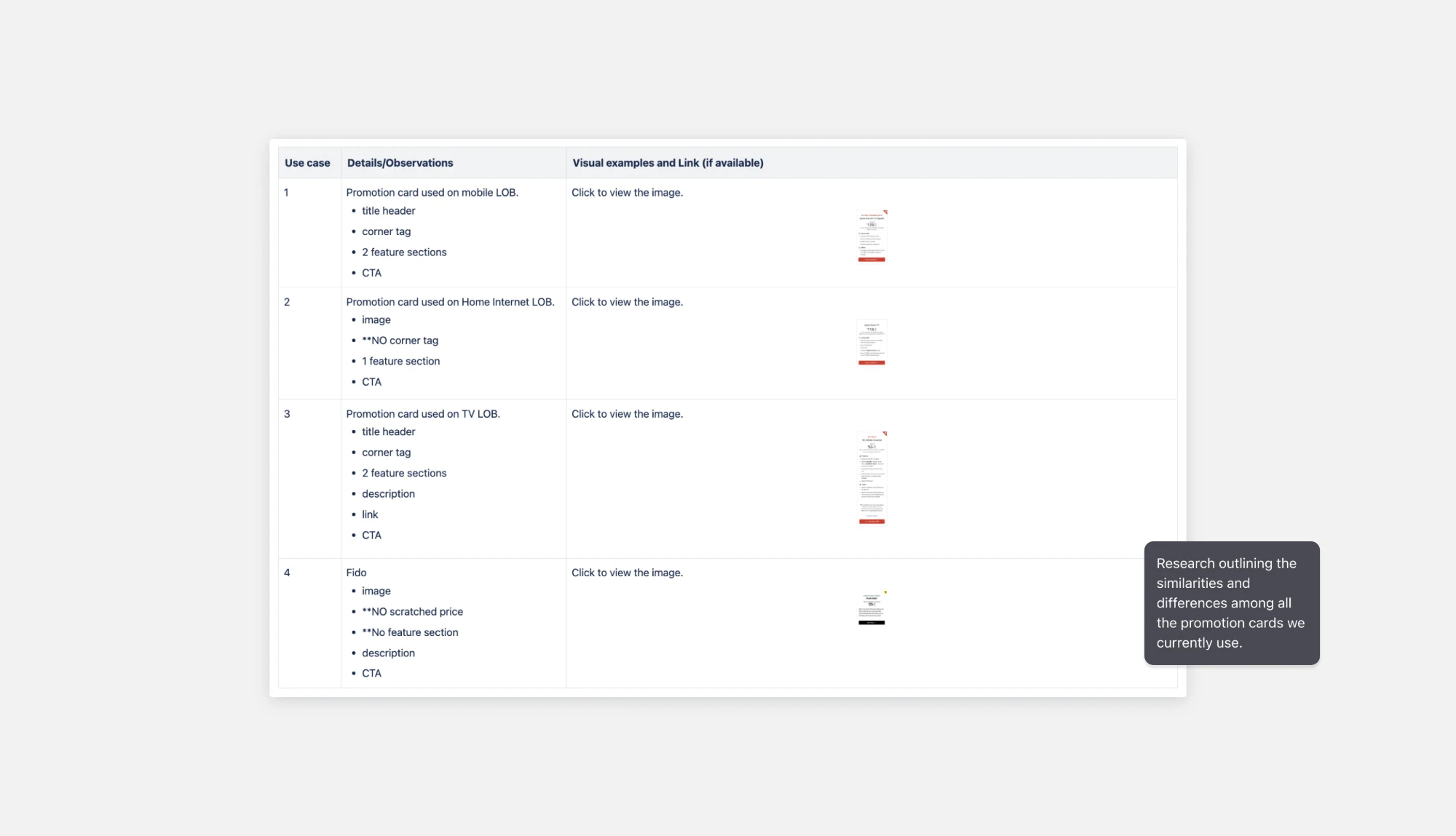
If there’s no proposed design, we do some quick research and wireframing. If there is one, we review whether it works as a global component.
We also take turns leading these meetings, coordinating with component owners, explaining decisions, and documenting the outcome.
2.Define the direction
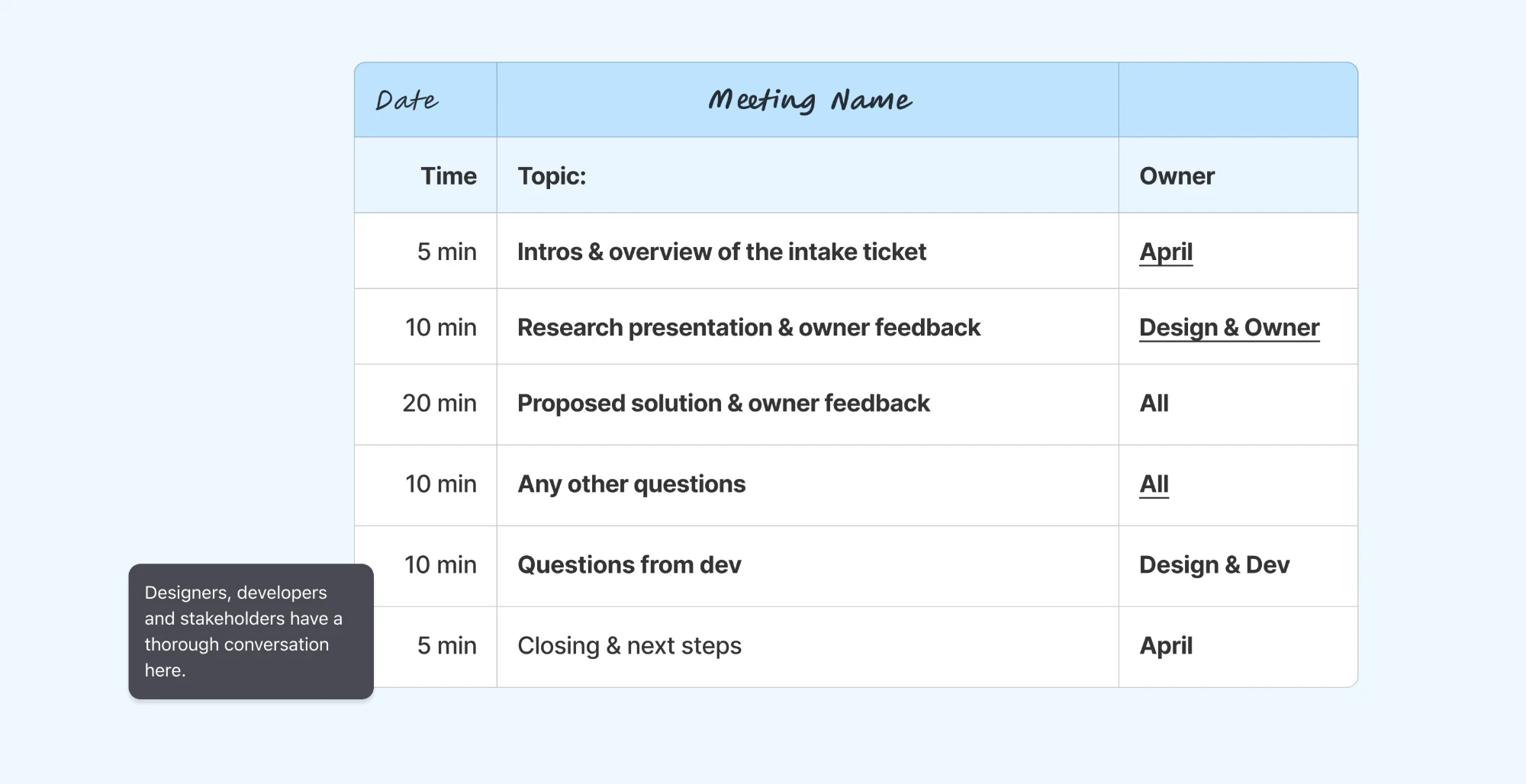
Once the request is approved, we complete the rest of the intake form with the component owner. This helps us agree on the solution and component direction before moving into design.
3.Build the component
My favourite part. I enjoy balancing colours, typography, and spacing until everything feels right. It’s almost meditative.
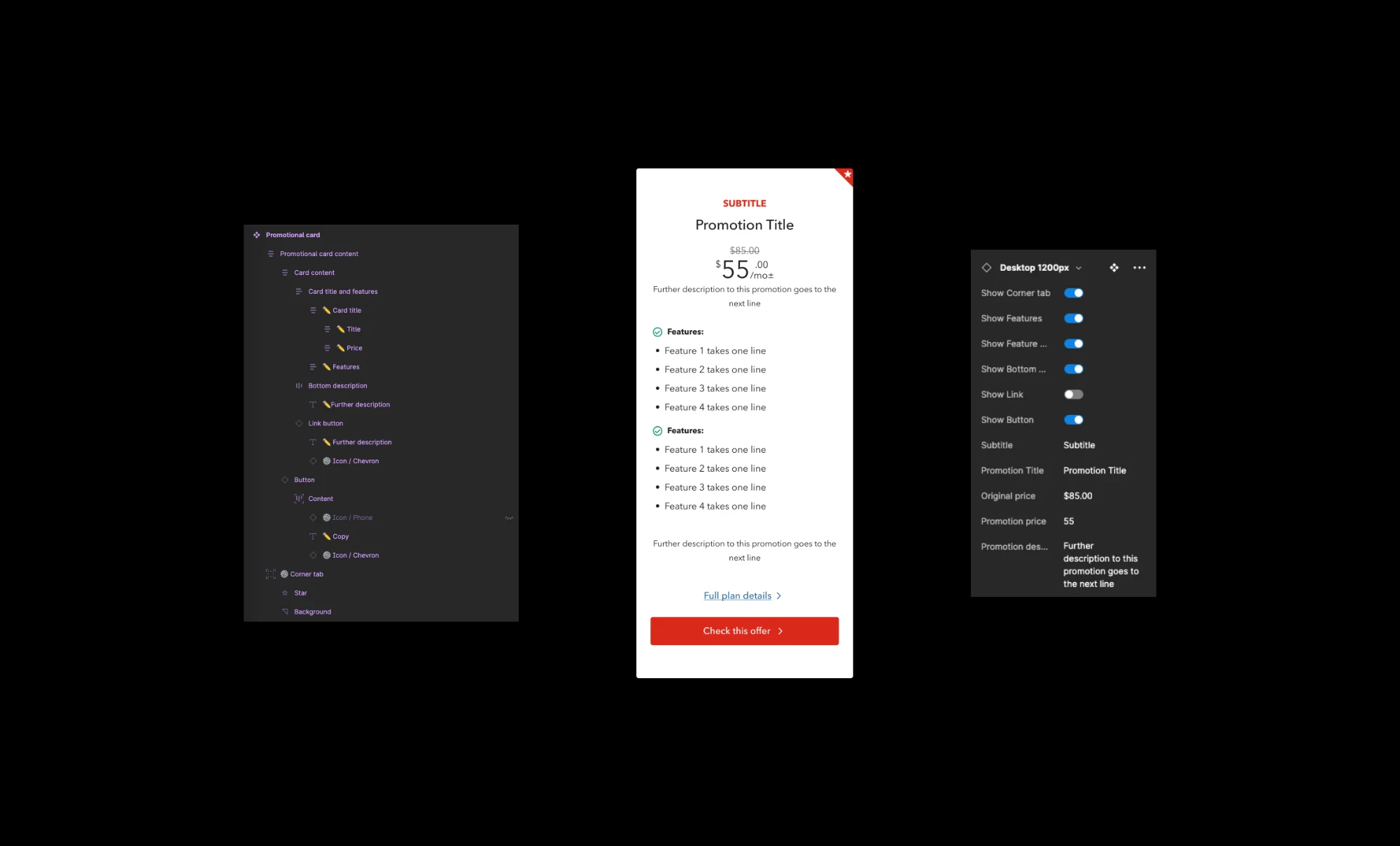
I pay close attention to:
- Naming conventions
- Auto Layout
- Component properties
I like my components clean, logical, and concise. A stray layer called “Frame 1086” just has no place in my files 🙅♀️. Clean code is a developer’s standard; clean components are mine.
4.Documentation and Dev hand-off
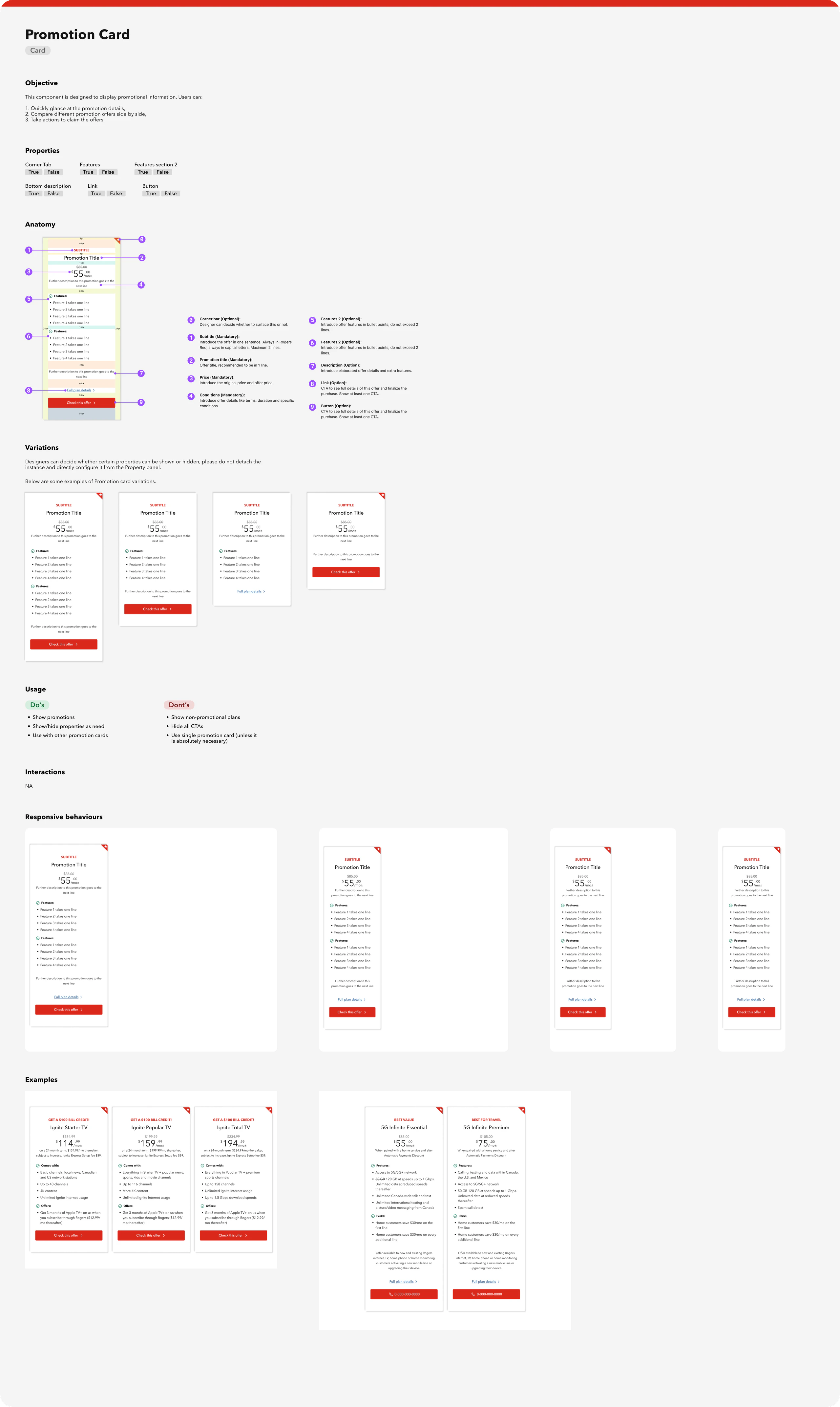
Documenting a component is just as important as building it. My goal is to make the documentation clear enough that designers can use a component without having to contact me or anyone else for help.
5.Visual QA and iterations
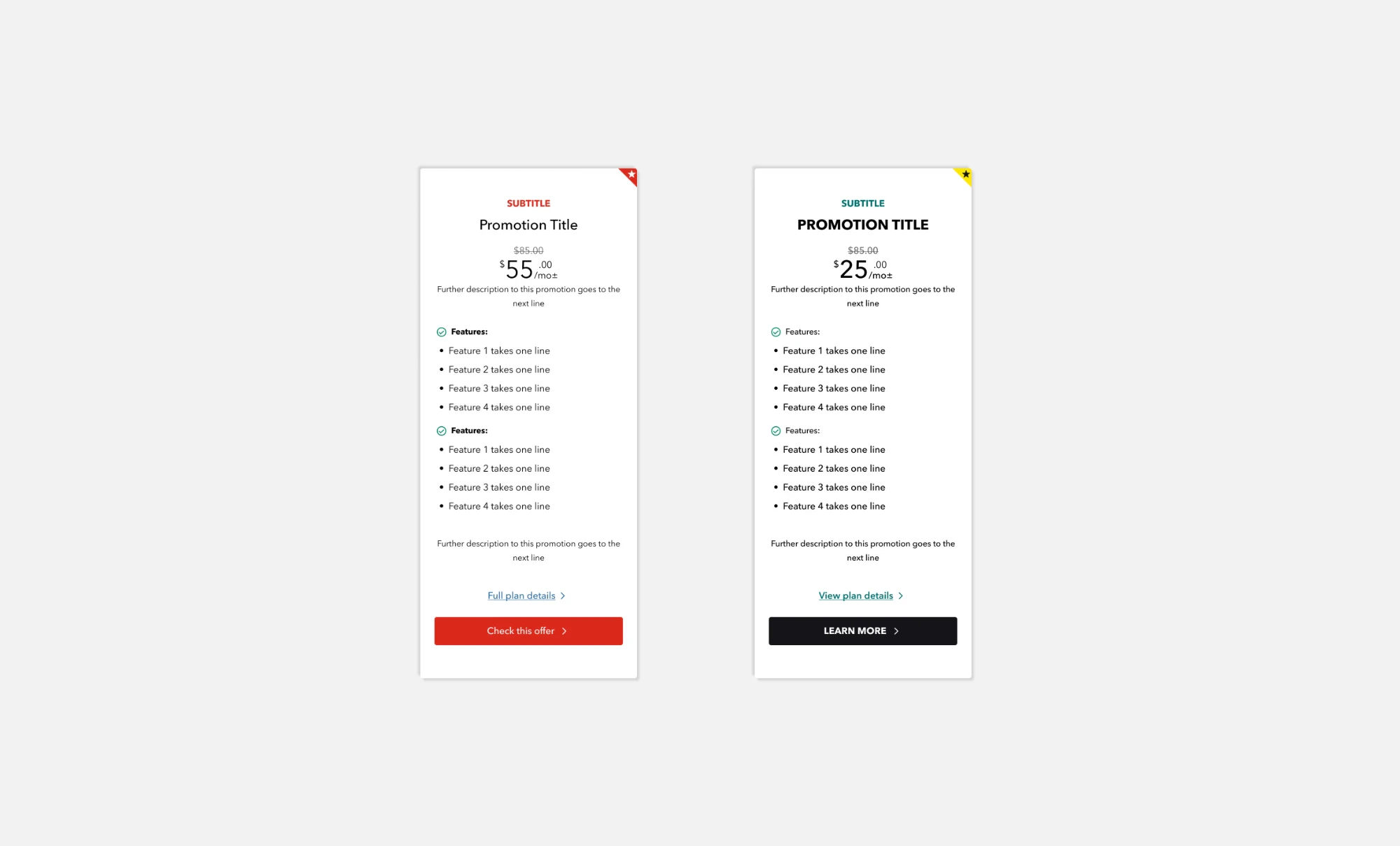
The Rogers Design System supports two brands: Rogers and Fido. I need to understand the visual details of both so I can answer QA questions, even after a component has been delivered.
Once the Fido version is built with its own colours and styles, the component is ready to ship. But that’s not the end of the work. It’s the start of the next iteration.
At the end of the ‘day’
I first discovered my interest in Design System and Platform work during my internship at RBC in 2019, and I’ve stayed in this field ever since.
I enjoy the details, the satisfaction of seeing everything come together, and knowing that a good, designer-friendly system makes my coworkers’ work easier. Hearing someone say, “Hey, that’s neat!” is still one of the best parts.